
Preparing Afghan Protection Cases
An Adjudication-Focused Guide for Practitioners

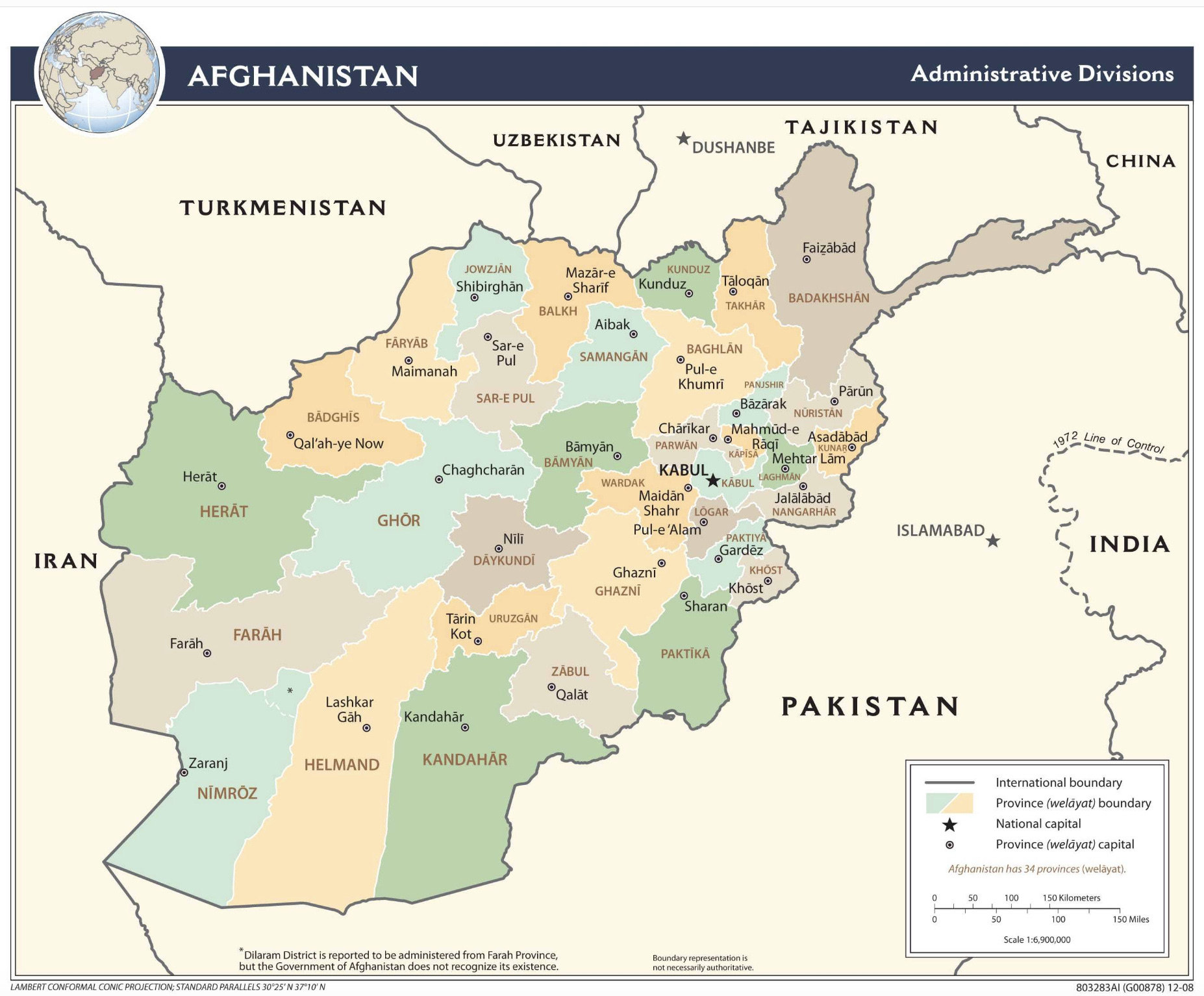
U.S. Central Intelligence Agency, Afghanistan: Administrative Divisions (2008).
As the senior DHS statistics official who resigned this week put it, there is a “war on immigrants” underway in this country.
This week, DHS stripped away one of the most important safeguards in the affirmative asylum process: the non-adversarial interview. A new rule provides USCIS with discretion to move certain asylum applicants directly into removal proceedings without ever giving them an opportunity to sit across from an asylum officer and explain their case.
I cannot overstate how devastating this will be for people seeking protection. That does not eliminate their right to seek asylum. What it does do is make that right extremely difficult to exercise. People waiting for years to make their case before an asylum officer may now be sent into adversarial removal proceedings, where they also run the risk of being detained by ICE while they await their day in an immigration court system deliberately being designed to facilitate deportations.
For affirmative asylum applicants, rigorous case preparation has never been more important. The written filing may now have to carry the case before the applicant ever gets an opportunity to speak. For many applicants, whether USCIS gives them an interview or sends them directly to immigration court may now rise or fall on the four corners of the written filing. Applications must therefore be as thorough, accurate, and carefully developed as possible from the outset.
Practitioners must understand not only the protection claim, but every part of the applicant’s history that could raise a credibility issue, statutory bar, national-security concern, filing-deadline question, or other basis for referral.
Afghan protection cases present uniquely complex versions of these issues. Drawing on years of adjudicating and reviewing cases, training asylum officers, and nearly two years adjudicating and reviewing some of the most complex Operation Allies Welcome cases, I created this guide to help practitioners build the factual record carefully, identify difficult issues before the government does, and give Afghan applicants a meaningful chance in this “war on immigrants.”
Build the life story first. Let the legal theories follow.